Why I Stopped Buying Cheap Tote Bags (And Started Saving Money)
The counterintuitive math of investing in one quality tote instead of collecting “affordable” ones.
Last year, I spent ₹4,200 on tote bags.
Not on one amazing, investment-piece tote. On seven mediocre ones.
A ₹400 promotional tote from a conference. A ₹600 “cute” one from a fast-fashion store. A ₹800 beach bag I used once. You get the idea.
Each purchase felt small. Insignificant. Just a cheap tote—what’s the harm?
But when I actually added it up? I’d bought seven bags in twelve months and still didn’t have one I genuinely loved.
They’d rip at the seams. Straps would fray. Zippers would break. And I’d think, “Well, it was only ₹500,” and buy another one.
I was stuck in what I now call the cheap bag cycle: Buy cheap → It breaks → Buy another cheap one → Repeat.
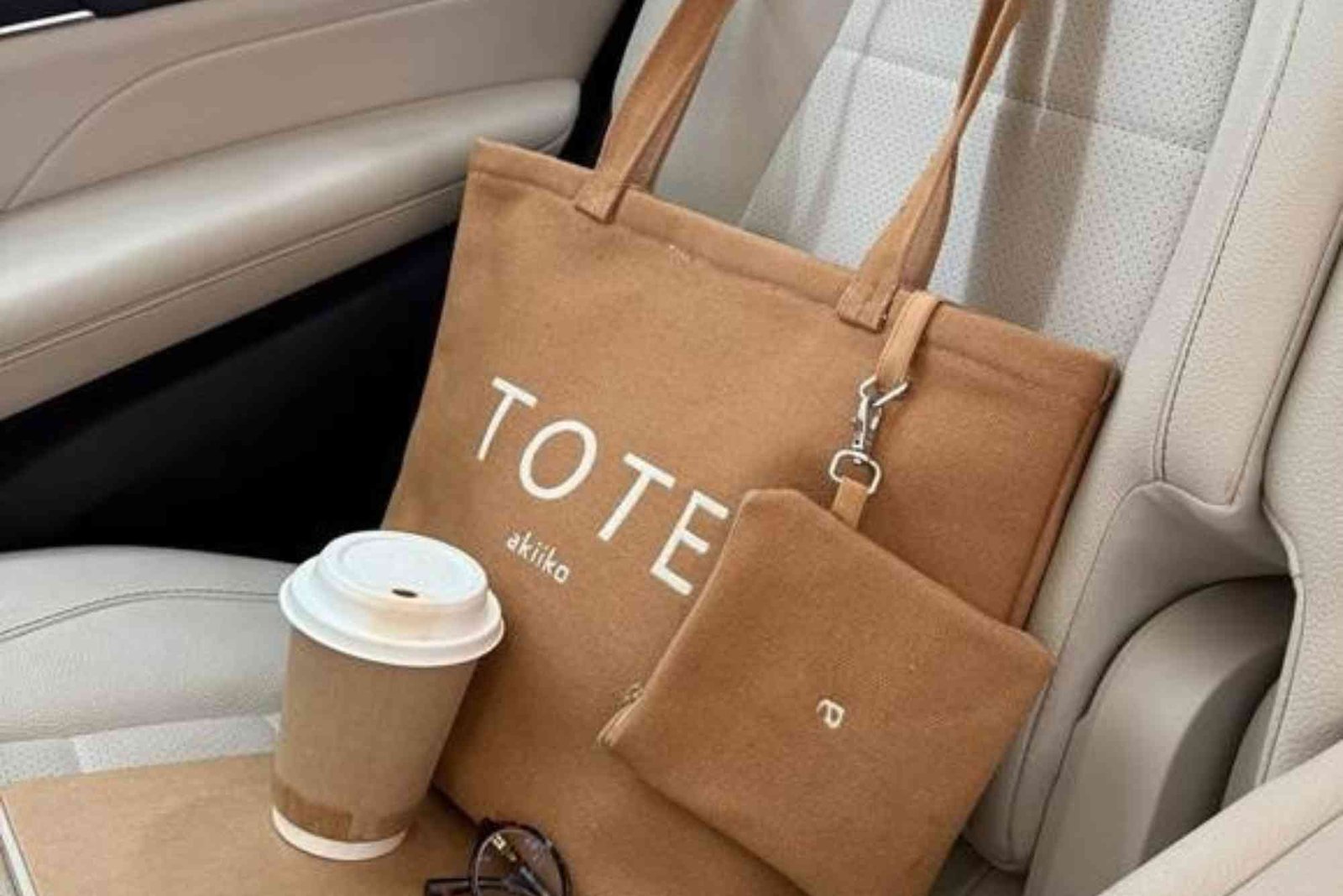
Then a friend showed me her tote. She’d had it for three years. It looked better with age—soft, broken-in, with that perfectly worn canvas texture. No rips. No frayed straps. Still going strong.
“How much did that cost?” I asked, expecting a luxury brand price tag.
“₹2,800,” she said. “But it’s the only bag I’ve bought in three years.”
I did the math. She’d spent ₹2,800 over three years. I’d spent ₹4,200 in one year on bags that barely lasted six months.
I wasn’t saving money by buying cheap bags. I was hemorrhaging it.
That’s when I decided to try something radical: What if I invested in one really good tote and stopped buying throwaway bags?
The Hidden Cost of Cheap Bags
Here’s what I learned about “affordable” totes:
They’re Designed to Be Replaced
Fast-fashion bags aren’t built to last. They’re built to get you through a season, maybe two, before you buy the next trend.
Thin fabric that tears. Flimsy stitching that unravels. Synthetic materials that don’t breathe and smell weird after a month of carrying lunch.
The business model depends on you replacing them.
The Environmental Toll
Every cheap bag I discarded went to a landfill. Seven bags in one year. Synthetic materials that won’t biodegrade for decades.
Meanwhile, my friend’s three-year-old natural canvas tote would eventually return to the earth. And she’d only contributed one bag to the waste stream instead of seven.
Cheap isn’t just expensive for your wallet. It’s expensive for the planet.
The Time Tax
Every time a bag broke, I’d spend an hour online researching replacements, comparing prices, reading reviews. Then I’d go shopping, browse options, make a decision.
That’s at least seven hours spent managing a “cheap bag” problem that wouldn’t exist if I’d just bought quality once.
Time is money. I’d forgotten that.
What Makes a Tote Worth the Investment?
After my revelation, I did serious research. Here’s what separates a ₹500 disposable tote from a ₹2,500 investment piece:
Material Quality
Cheap totes: Thin synthetic blends, polyester, flimsy canvas that rips easily
Quality totes: 100% natural cotton canvas or durable cotton blends—thick, washable, breathable, ages beautifully instead of falling apart
Brands like Akiiko use premium natural materials that get softer and more comfortable with use. The fabric develops character instead of deterioration.
Construction Details
Cheap totes: Single stitching, glued seams, weak stress points
Quality totes: Double or triple stitching, reinforced corners, bar-tacked stress points (where straps meet the bag)
Look for reinforced stitching at the handles—that’s where cheap bags fail first.
Hardware & Closures
Cheap totes: Plastic zippers that break, flimsy buttons, no proper closures
Quality totes: Durable metal zippers, coconut button closures, magnetic snaps, or quality drawstrings
Strap Comfort
Cheap totes: Thin straps that dig into your shoulder after 20 minutes
Quality totes: Broad, padded straps that distribute weight evenly—crucial if you’re carrying a laptop, water bottle, and lunch daily
Thoughtful Design
Cheap totes: One big open cavity where everything becomes a jumbled mess
Quality totes: Interior pockets for organization—phone pocket, key clip, laptop sleeve, water bottle holder
Well-designed totes from brands like Akiiko include practical features that make daily use effortless, not frustrating.
The One-Year Cost Comparison
Let me show you the actual math:
My Old Approach (Cheap Bags):
- 7 bags × ₹600 average = ₹4,200/year
- Each lasted ~2 months
- Frustration level: High
- Cost per day: ₹11.50
My New Approach (Quality Tote):
- 1 quality canvas tote = ₹2,800
- Still going strong after 14 months
- Frustration level: Zero
- Cost per day (so far): ₹6.50
I’m literally paying less per day by buying the “expensive” bag.
And if it lasts three years like my friend’s? That drops to ₹2.50 per day.

What Changed When I Invested in Quality
Beyond the money, something unexpected happened:
I took better care of it. When you invest in something, you value it. I started cleaning my tote regularly, organizing it nightly, treating it with respect.
I stopped impulse buying. Knowing I had one perfect bag eliminated the urge to grab every cute tote I saw.
My style improved. One timeless, neutral-colored canvas tote that goes with everything looks more intentional than constantly rotating cheap bags.
I felt more confident. Quality is visible. People notice when you carry something well-made.
How to Choose Your Investment Tote
If you’re ready to break the cheap bag cycle:
Set a realistic budget: ₹2,000-₹3,500 gets you excellent quality without luxury markup
Prioritize natural materials: Canvas, cotton, or jute—durable, eco-friendly, comfortable
Check construction: Look for reinforced stitching, quality hardware, comfortable straps
Choose versatility: Neutral colors, timeless design, appropriate for work and weekends
Buy from intentional brands: Companies focused on sustainable, thoughtfully designed accessories—like akiiko’s collection—prioritize quality over quantity
The Bottom Line
Here’s what I wish someone had told me a year ago:
Cheap bags aren’t a budget-friendly choice. They’re a costly habit disguised as savings.
The real savings—financial, environmental, and mental—come from buying one quality tote and actually using it.
I’m not buying another bag this year. Or probably next year. Because the one I invested in is still going strong.
And that ₹2,800? Best money I’ve spent.
About the Author
[Author Name] writes about intentional spending and sustainable living. For more on quality everyday essentials, visit akiiko.com.
BACKLINK OPPORTUNITIES:
- “akiiko use premium natural materials” → Link to materials/sustainability page
- “Well-designed totes from brands like akiiko” → Link to /collections/tote-bags
- “canvas tote” → Link to canvas collection
- “100% natural cotton canvas” → Link to materials page
- “coconut button closures” → Link to Fold Over Tote or featured product
- “Interior pockets for organization” → Link to organized totes
- “Broad, padded straps” → Link to comfort-focused totes
- “neutral-colored canvas tote” → Link to neutral tote collection
- “Canvas, cotton, or jute” → Link to natural materials collection
- “akiiko’s collection” → Link to /collections/tote-bags
- “akiiko.com” (author bio) → Homepage